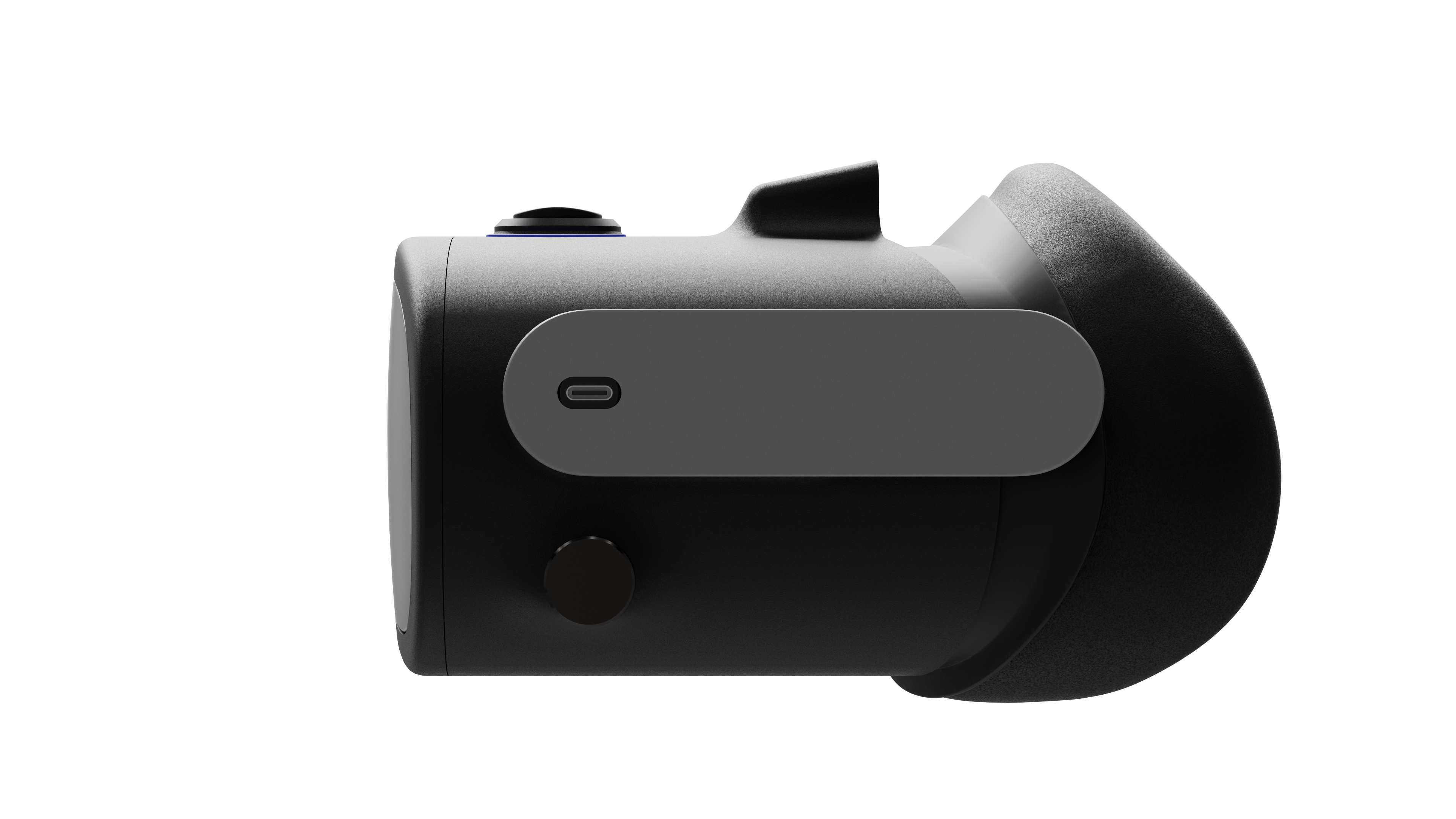
OLUX · One
Clinical capture of the CUVAF area in a single pass.
Controlled UV-A illumination, a calibrated binocular sensor, and automatic processing. No dilation, no contact, no contrast dye.
OLUX non-invasively quantifies conjunctival ultraviolet autofluorescence, an objective biomarker of accumulated sun exposure and a predictor of the risk of myopic progression in childhood.
Every hour in the sun leaves a fingerprint on the conjunctiva. For the first time, that fingerprint can be measured.
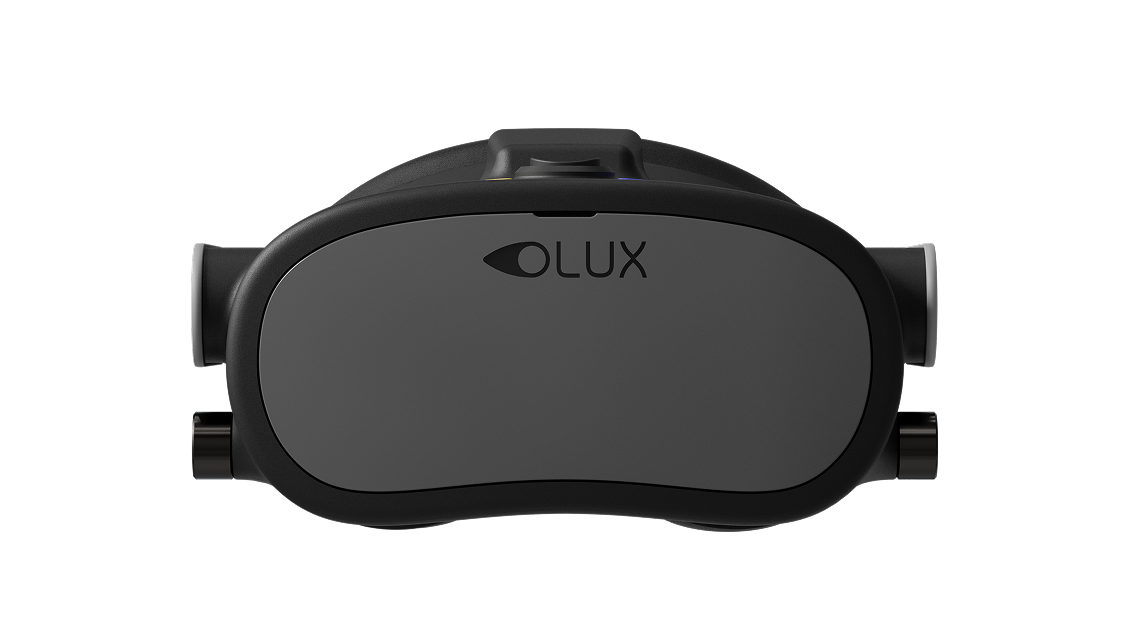
An ergonomic binocular headpiece that adapts its illumination to the conjunctiva and captures the CUVAF area at clinical resolution. Built for pediatric and in-office use.
Controlled UV-A illumination, a calibrated binocular sensor, and automatic processing. No dilation, no contact, no contrast dye.
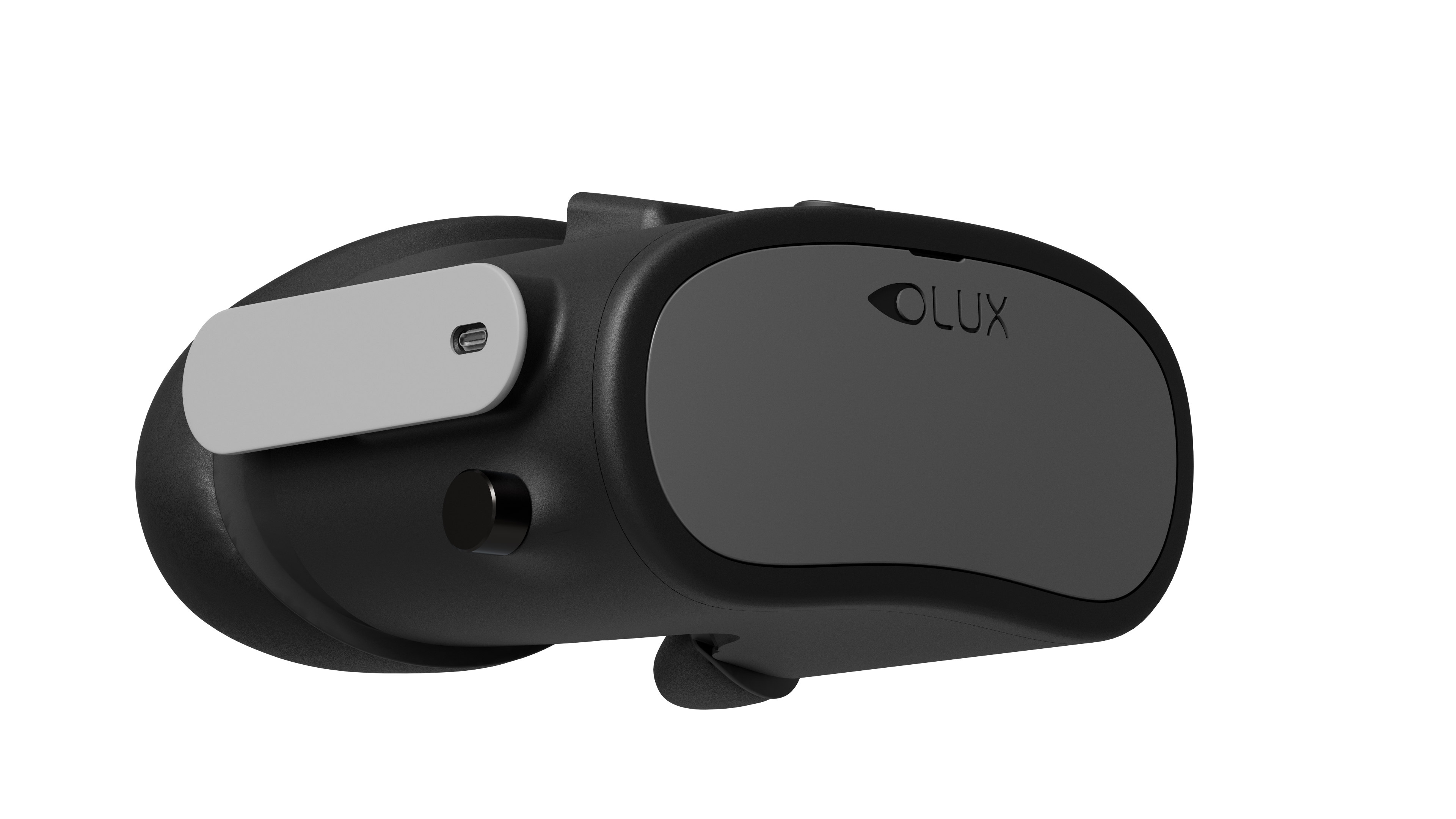
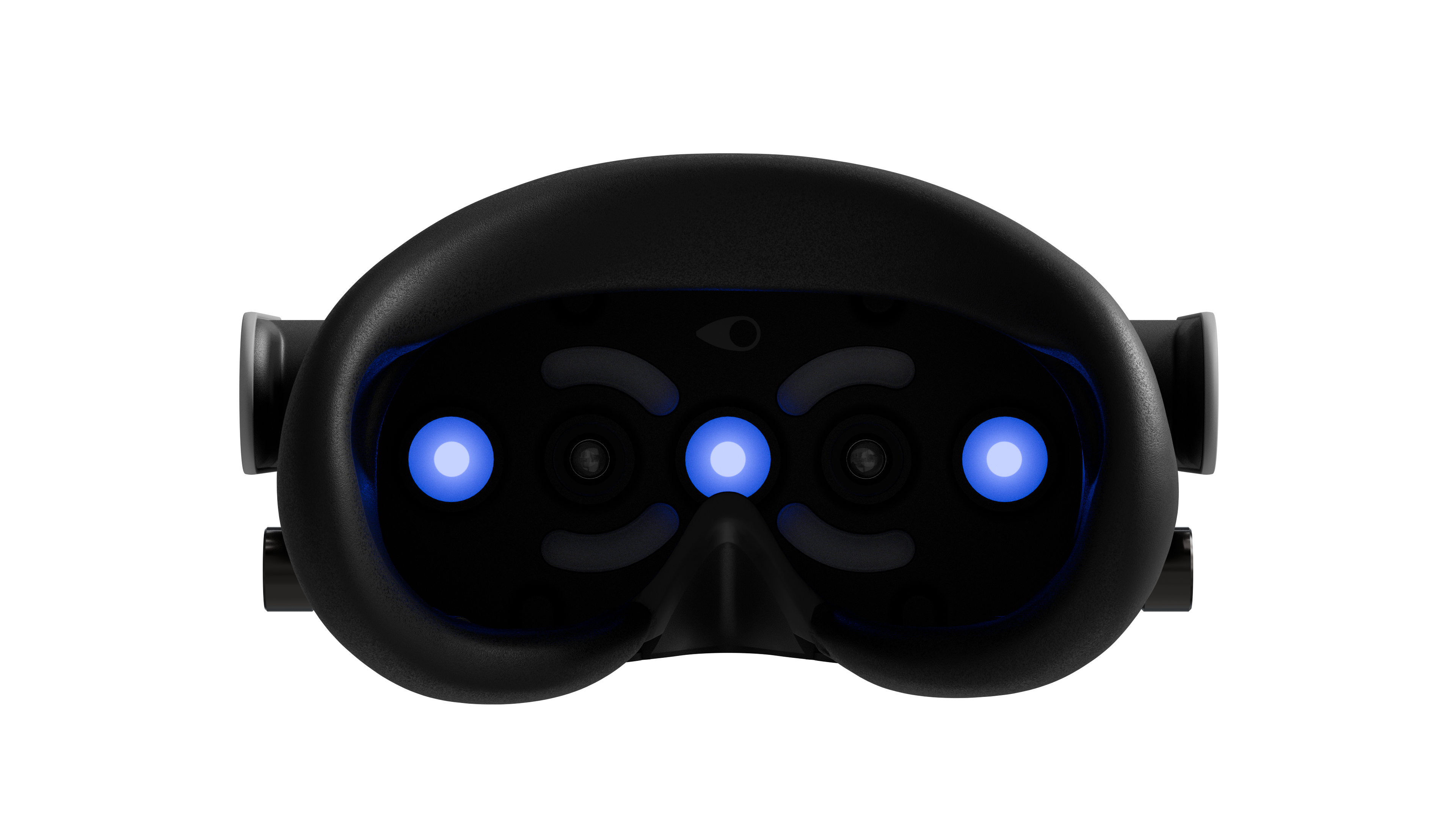
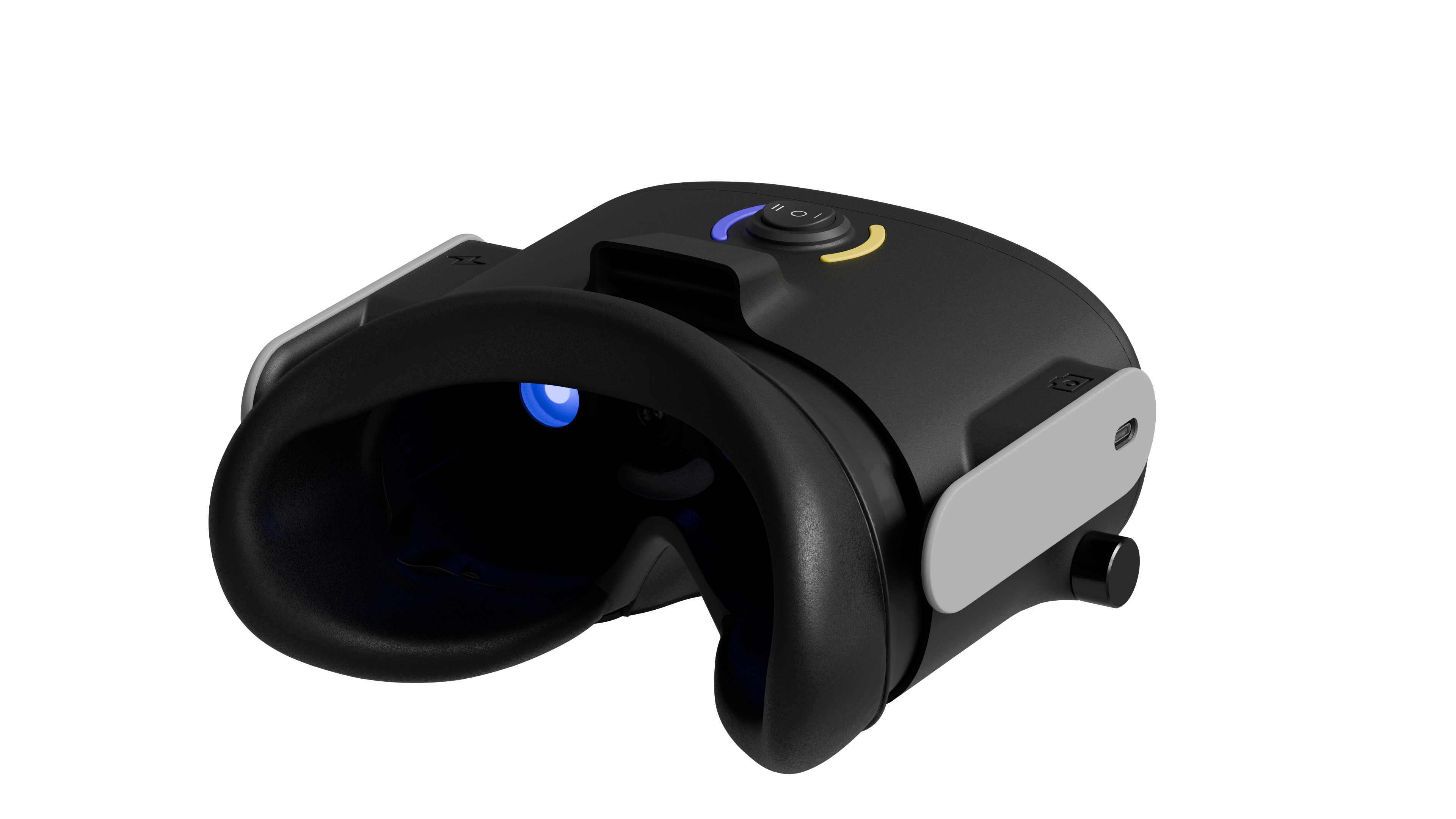
The device illuminates the conjunctiva with narrow-band ultraviolet light. Tissue that has been exposed to the sun fluoresces. The camera measures the area and the system delivers a reproducible CUVAF index.
A ring of LEDs at 365 nm excites the autofluorescence of the conjunctiva with no dilation or contact. Optical dose certified for ophthalmic use, including pediatric.
A calibrated binocular sensor records the fluorescence. Computer vision models delineate the CUVAF area with sub-pixel precision, reproducibly across observers.
The quantified area is translated into a CUVAF index, comparable against age-based norms and trackable over time. The clinic gains an objective metric of myopia risk.
Childhood myopia is a silent pandemic. Scientific evidence links a lack of daytime exposure to its progression. OLUX delivers an objective metric where before there were only questionnaires.
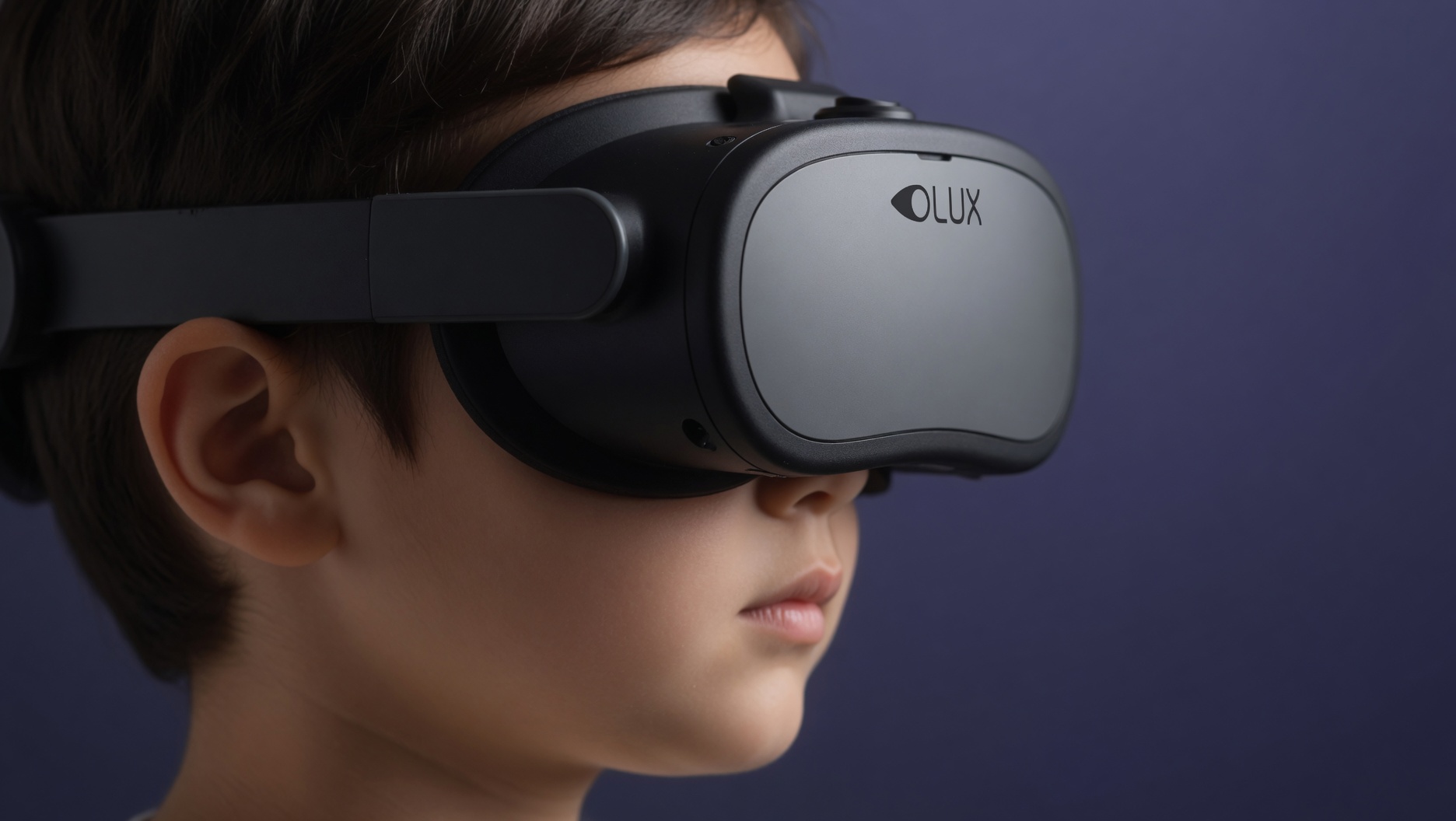
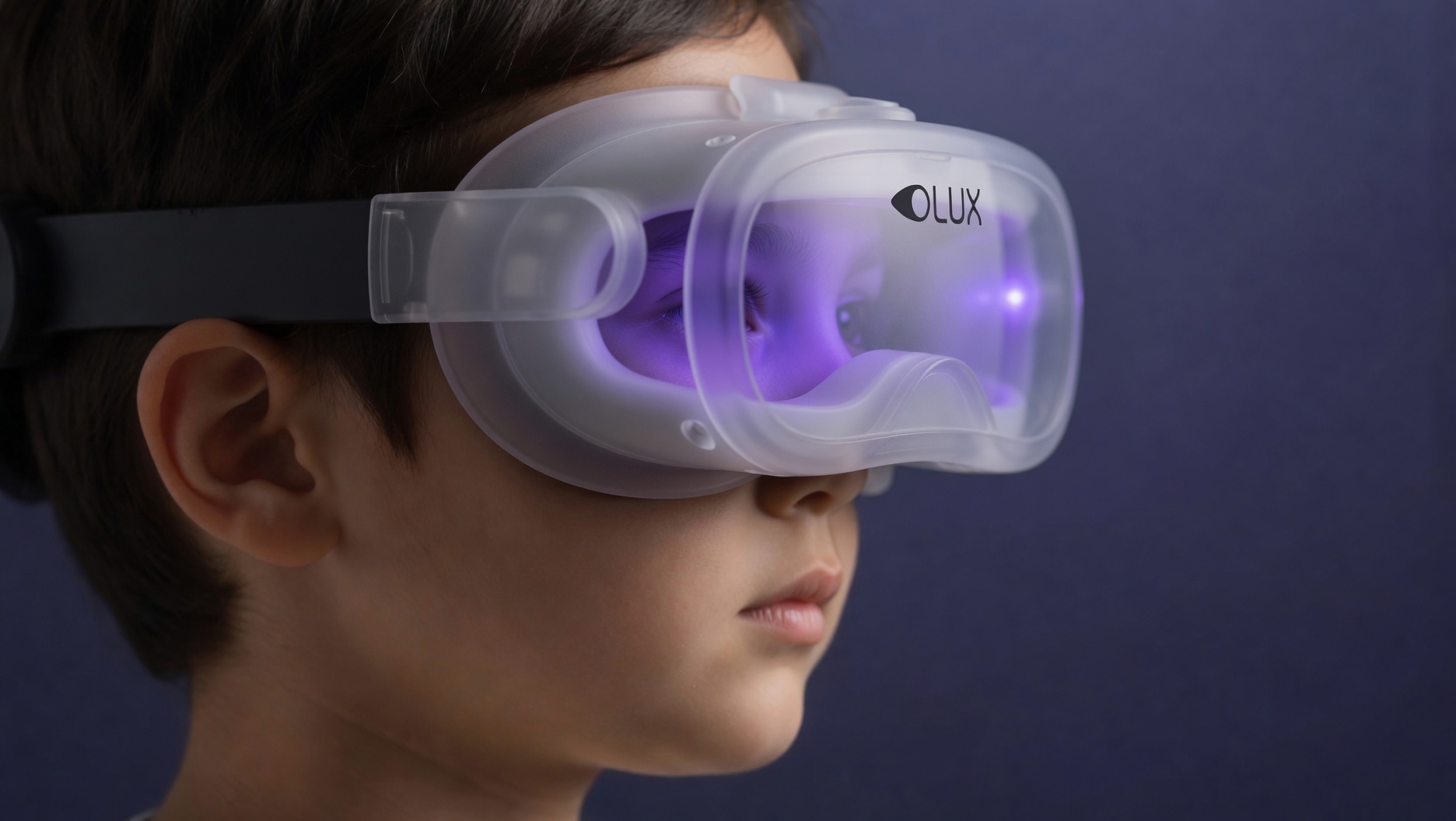
The CUVAF area reflects accumulated exposure to visible and UV sunlight over recent months. It's the first objective biomarker able to complement patient history and refraction in the pediatric ophthalmology clinic.
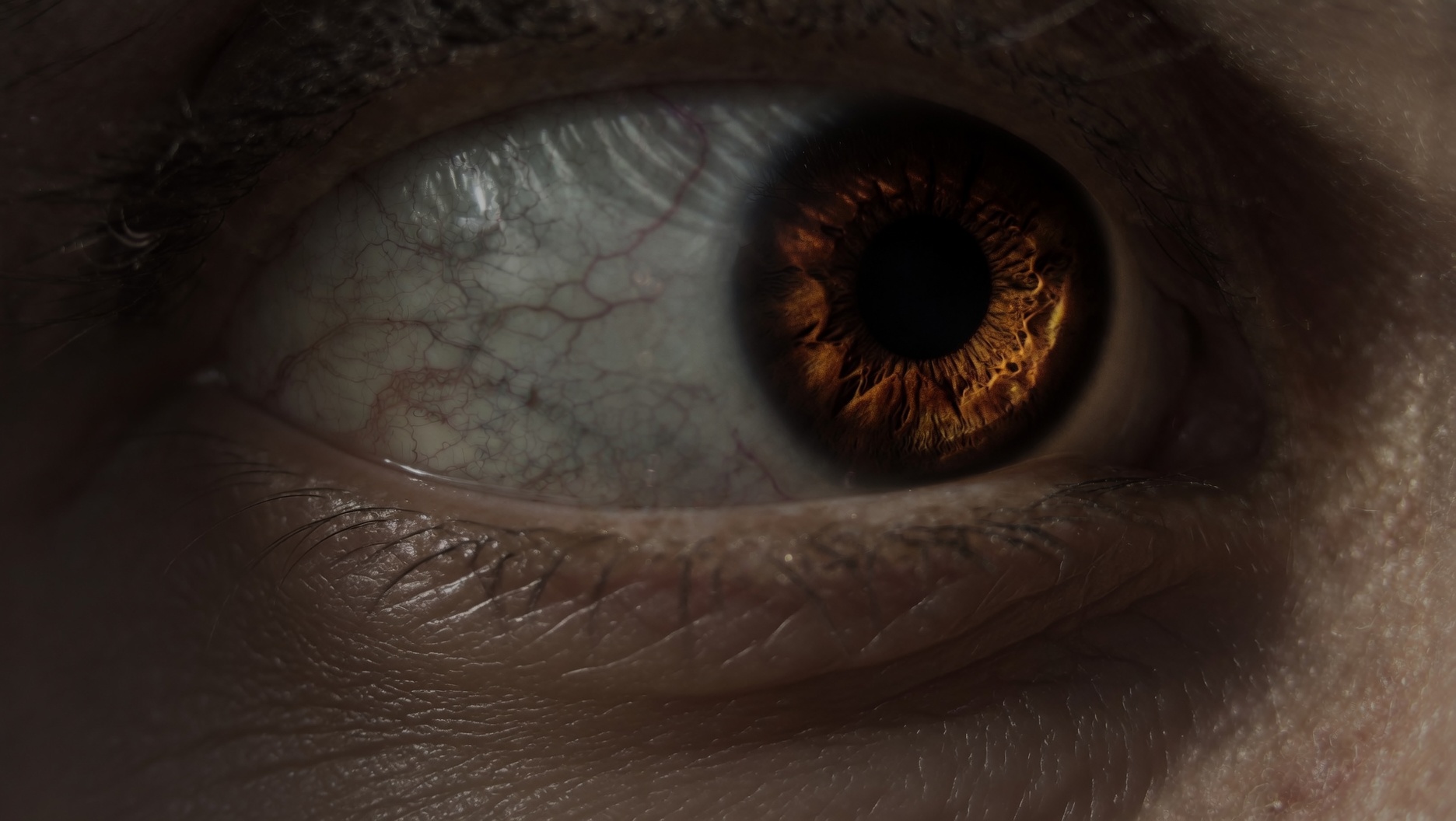
The CUVAF area is invisible to the naked eye. Under natural light, two eyes can look identical; under UV-A they reveal how much sunlight the conjunctiva has received in recent months. Hover over each eye to see its fingerprint.
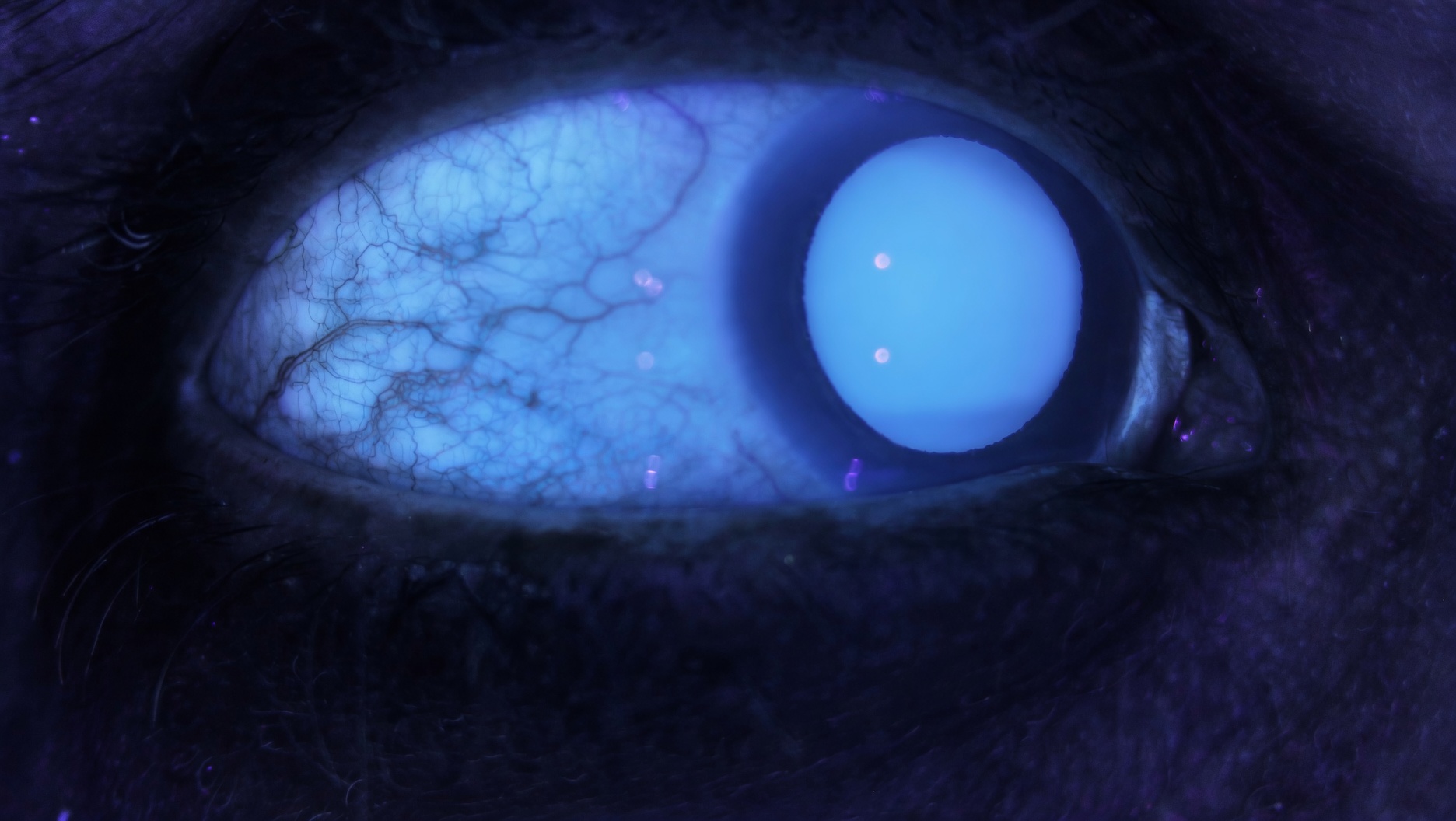
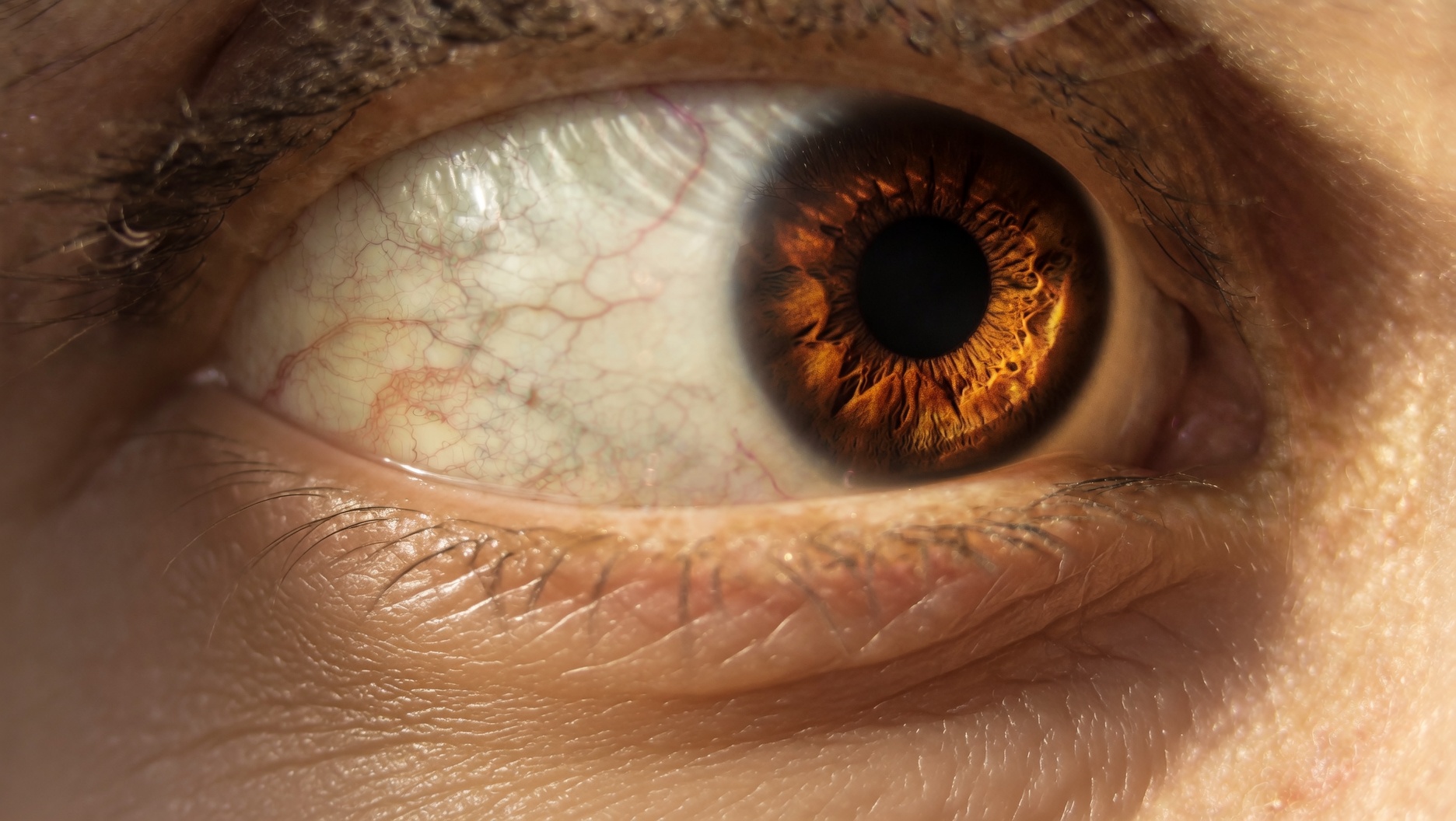
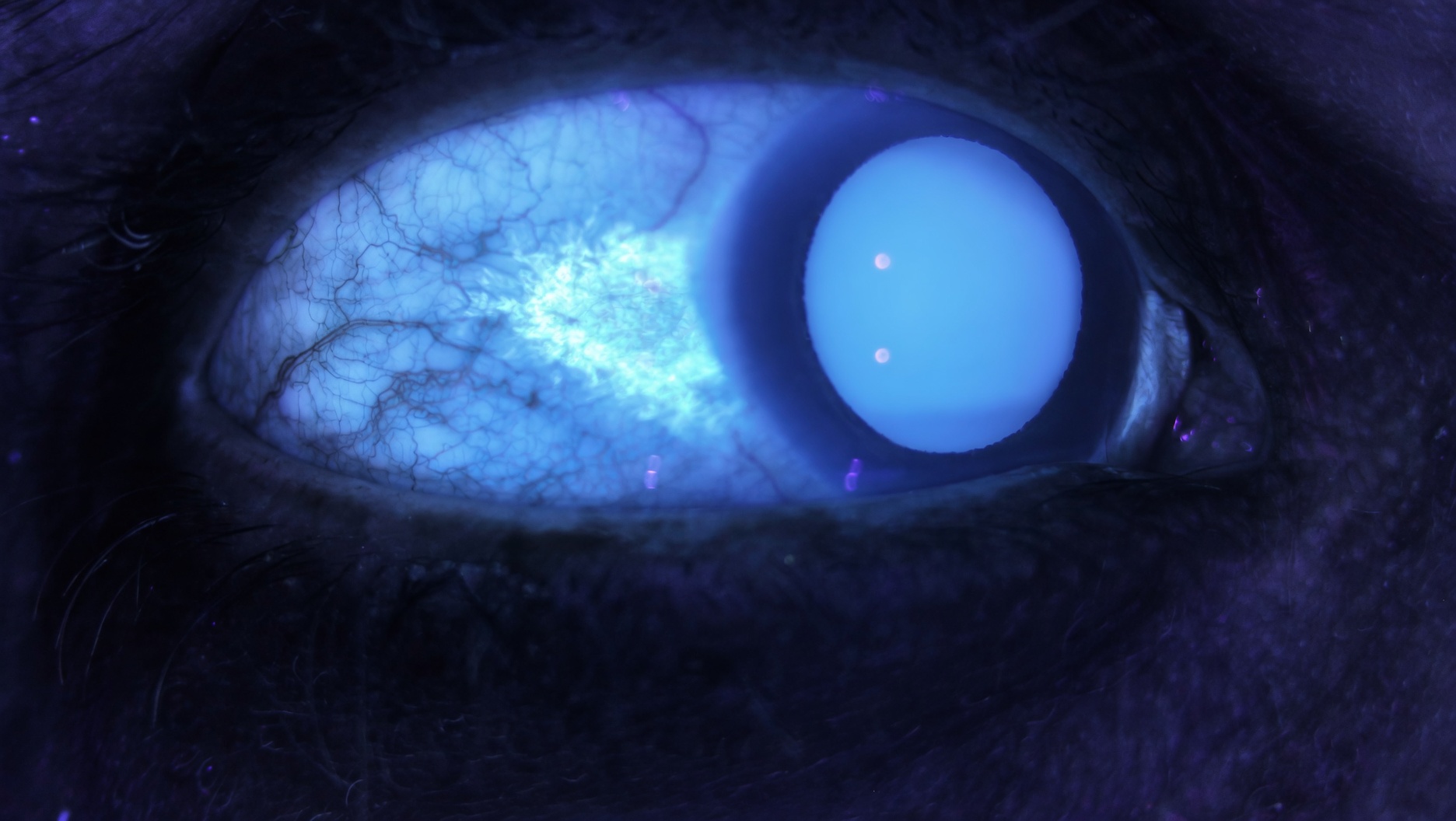
The CUVAF biomarker is backed by peer-reviewed publications. OLUX systematizes that methodology and brings it into everyday clinical use.
Dr. Sergio Recalde explains the role of CUVAF as an objective biomarker of sun exposure and its relation to myopia prevention.
Read articleA University of Navarra Clinic study on how the CUVAF area varies with patients' sun exposure.
Watch reportAn awareness campaign about time spent outdoors. In Spain, some children go outside only 35 minutes a day.
Learn moreOLUX was born at the University of Navarra Clinic, the result of collaboration between ophthalmologists, engineers, and product designers.
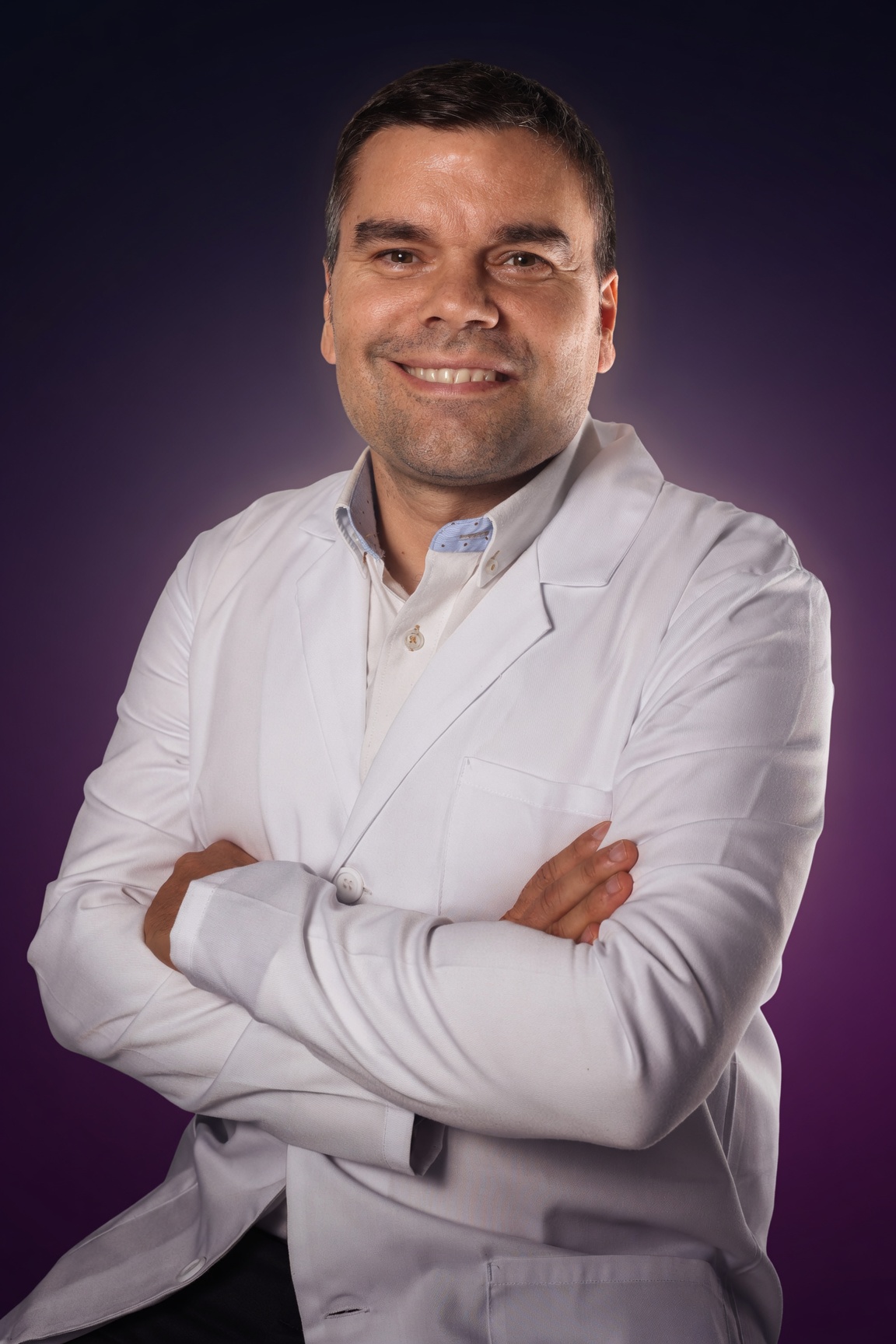
Scientific direction of the project and the CUVAF research line.
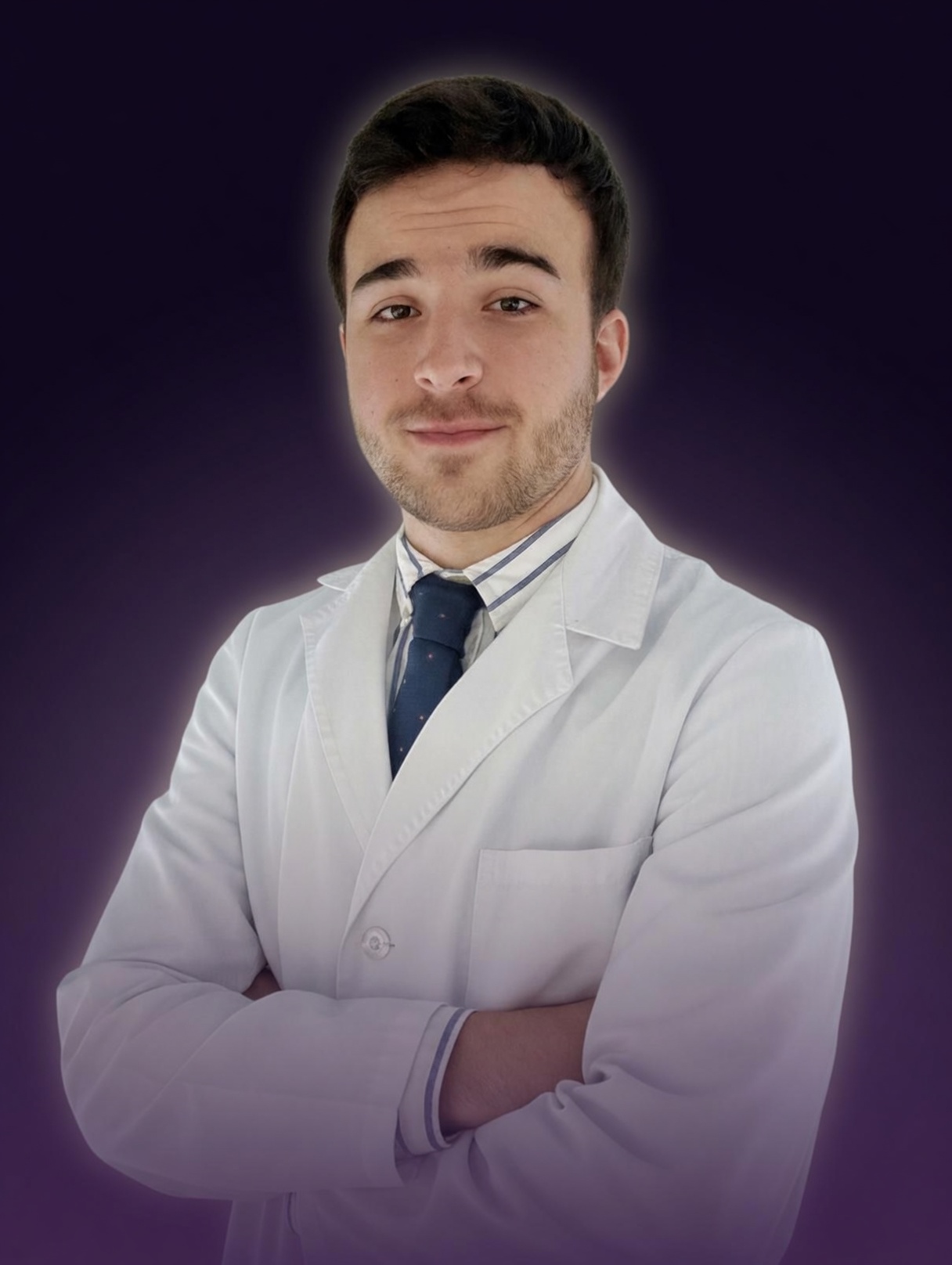
Specialist in retinal pathology and co-investigator of the project.

Design, development, and prototyping of the OLUX device.

Design of the artificial-intelligence software for CUVAF area segmentation.
OLUX lets you quantify patients' sun exposure and assess the risk of myopic progression. Access restricted to healthcare professionals.